
Keep Fleet Vehicles Running Through Hard Use
Fleet and Transportation Services in Pittsfield, Massachusetts
Fleet vehicles in Pittsfield operate year-round in conditions that wear down undercarriages, corrode brake components, and degrade body panels faster than personal vehicles. You see it when rust appears along frame rails after a few winters, when door hinges seize from salt intrusion, or when suspension mounts develop surface corrosion that spreads into structural areas. East Coast Refinishing provides protection and refinishing services designed to reduce corrosion, slow surface wear, and support long-term vehicle reliability for municipal and commercial fleets.
The service includes undercoating, wax protection, and surface restoration tailored to fleet use patterns and operational demands. Work is coordinated to minimize downtime, and vehicles can be treated individually or in groups depending on your scheduling needs. Protection plans can be customized based on vehicle age, mileage, and exposure conditions, and services are bundled to address multiple corrosion points in a single visit.
If your fleet in Pittsfield is showing signs of rust or you want to extend vehicle life before replacement costs become unavoidable, contact us to discuss protection options and scheduling.
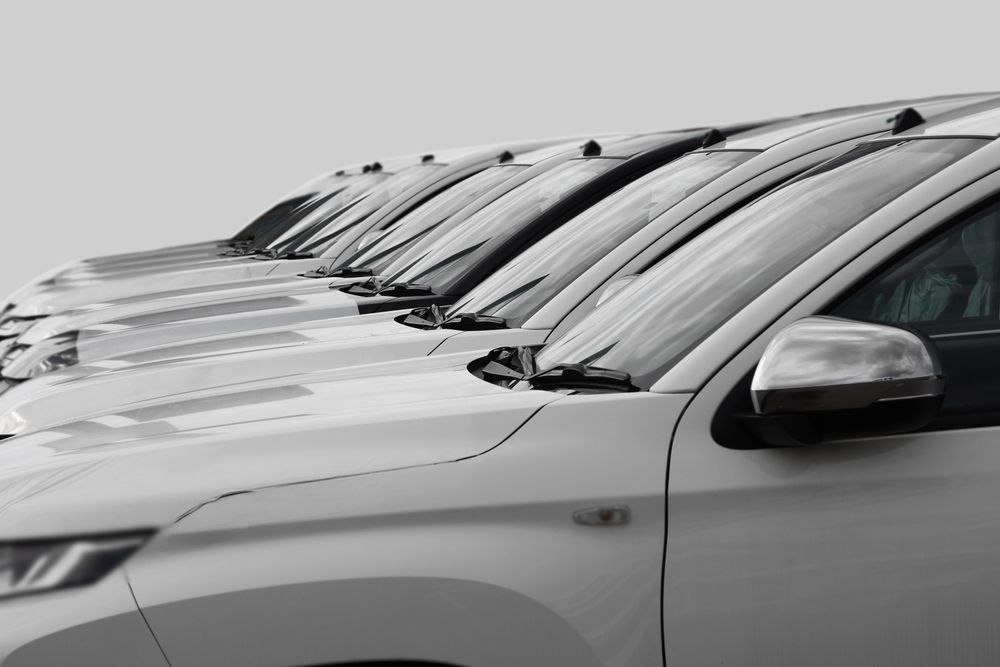
Fleet Decisions Involve More Than One Vehicle
The questions below address concerns that come up when planning fleet protection services, including timing, longevity, and how the work fits into existing maintenance schedules.
How long does it take to treat a fleet vehicle?
Most vehicles can be treated in two to three hours depending on size and the level of protection being applied. Larger units or vehicles needing extensive prep work may take longer.
Can services be scheduled to avoid taking multiple vehicles offline at once?
Yes, work can be staggered to fit your operational schedule in Pittsfield. Vehicles are treated individually or in small groups to minimize impact on fleet availability.
What types of fleet vehicles benefit most from corrosion protection?
Vehicles that operate year-round in winter conditions, those with high exposure to road salt, and units with extended replacement cycles benefit most. Municipal trucks, delivery vehicles, and service fleets are common candidates.
How often should fleet vehicles be retreated?
Annual treatment is typical for vehicles with heavy winter use. Lighter-duty vehicles or those with lower exposure may be treated every two years depending on inspection results.
Can protection be applied to vehicles with existing rust?
Yes, as long as the rust is surface-level and the vehicle structure is sound. Loose rust is removed during prep, and the coating slows further corrosion in treated areas.
East Coast Refinishing applies protective wax as part of vehicle maintenance plans in Pittsfield, helping drivers reduce corrosion in exposed areas and extend the life of structural components. If you want to add wax protection to your vehicle or discuss seasonal application timing, reach out to arrange a service appointment.
How Fleet Services Address Corrosion and Wear
Each vehicle is inspected to identify areas with active corrosion, salt buildup, or surface wear that needs attention before protective coatings are applied. In Pittsfield, this often includes undercarriage cleaning, rust removal from frame sections, and degreasing of components that see heavy road spray. Protection is then applied using oil undercoating, wax barriers, or combination systems depending on vehicle type and use intensity.
After treatment, fleet managers notice that vehicles resist rust formation in areas that previously corroded quickly, and that metal components stay intact longer between maintenance cycles. Treated vehicles also require fewer emergency repairs related to rust-through or component failure caused by salt exposure.
The service does not include mechanical repairs, bodywork, or replacement of components with structural damage, and vehicles with severe rust may need additional repair work before protection is applied. Scheduling is arranged to fit operational needs, and vehicles are returned to service as soon as coatings cure, which typically takes a few hours depending on the products used.