Slow Rust Where It Starts Underneath
Oil Undercoating Services in Pittsfield, Massachusetts
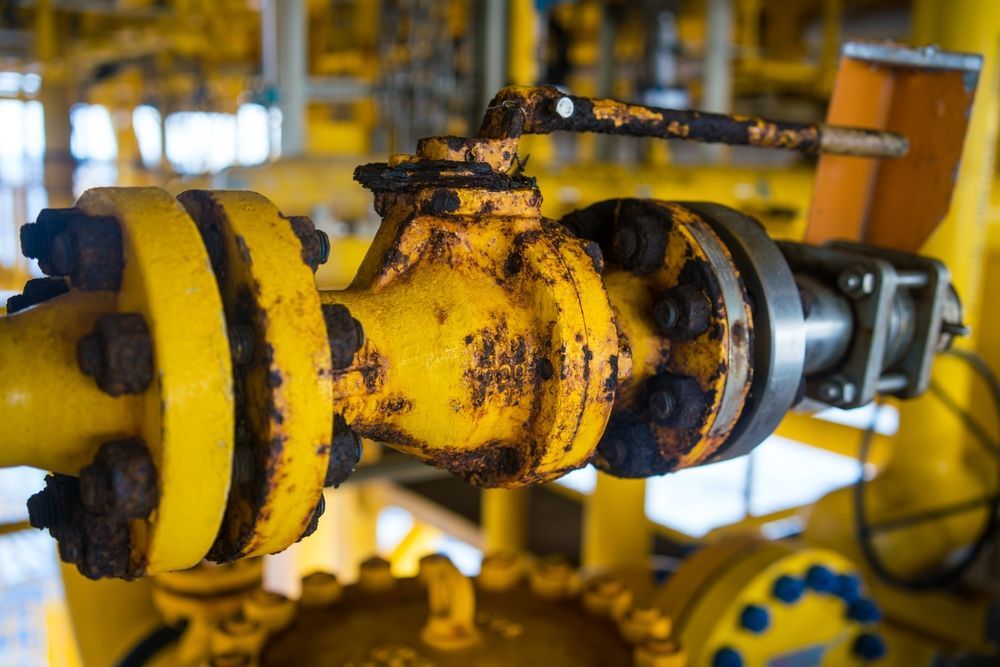
Frame rails and undercarriage components in Pittsfield vehicles take a beating from road salt, slush, and the moisture that lingers after snowmelt. You notice the damage when rust appears along seams, when metal brackets start to flake, or when structural components show surface corrosion that spreads faster each winter. East Coast Refinishing applies oil-based undercoating that penetrates crevices, displaces moisture, and creates a self-healing barrier that slows the rate of rust formation.
The coating works by seeping into joints and seams where water and salt accumulate, then forming a protective film that stays active over time. It is commonly used on fleet vehicles, work trucks, and personal vehicles driven year-round in New England conditions. Reapplication is part of an ongoing preservation plan, and the service can be scheduled seasonally or annually depending on how much exposure your vehicle sees.
If your vehicle in Pittsfield is showing early rust or you want to prevent corrosion before it takes hold, contact us to check availability and schedule an undercoating appointment.
You May Be Weighing Your Options
The questions below address common concerns about oil undercoating, including how it compares to other treatments and what you can expect in terms of longevity and maintenance.
How does oil undercoating differ from rubberized coatings?
Oil undercoating penetrates seams and remains semi-fluid, which allows it to reach hidden areas and self-heal over time. Rubberized coatings form a harder barrier but can trap moisture if the seal is compromised.
How often should oil undercoating be reapplied?
Most vehicles benefit from reapplication every one to two years, depending on exposure to road salt and winter driving conditions in Pittsfield. Fleet vehicles with high mileage may need more frequent treatment.
Will the coating drip or create a mess after application?
Some dripping is normal for the first day or two as excess oil settles. Parking on a surface that can handle minor drips is recommended until the coating fully adheres.
Can oil undercoating be applied over existing rust?
Yes, as long as the rust is surface-level and the metal is structurally intact. The oil displaces moisture and slows further corrosion in affected areas.
What parts of the vehicle are covered during undercoating?
Treatment covers the undercarriage, frame rails, suspension components, wheel wells, and any exposed metal surfaces prone to rust. Areas with heavy grease or active leaks are cleaned before application.
East Coast Refinishing provides oil undercoating services in Pittsfield for vehicle owners who want to slow corrosion and extend the life of undercarriage components. If you want to schedule a treatment or discuss whether your vehicle is a good candidate, get in touch to check availability.
What Happens During and After Application
The vehicle is lifted and the undercarriage is cleaned to remove loose dirt, salt residue, and any debris that would interfere with coating adhesion. In Pittsfield, this prep work is especially important after winter months when road treatment chemicals build up in hidden areas. The oil-based coating is then applied using spray equipment that reaches recessed sections, suspension mounts, and frame cavities where rust typically begins.
After application, you will notice that water beads off treated surfaces and that metal components no longer develop the white salt crust that signals active corrosion. The coating remains slightly tacky, which allows it to self-heal when minor abrasions occur during normal driving.
The service does not repair existing holes or structural damage caused by advanced rust, and surfaces with heavy scaling may need additional preparation before coating. The vehicle can be driven shortly after application, though full penetration into seams continues over the following days as the oil migrates into tight spaces.